
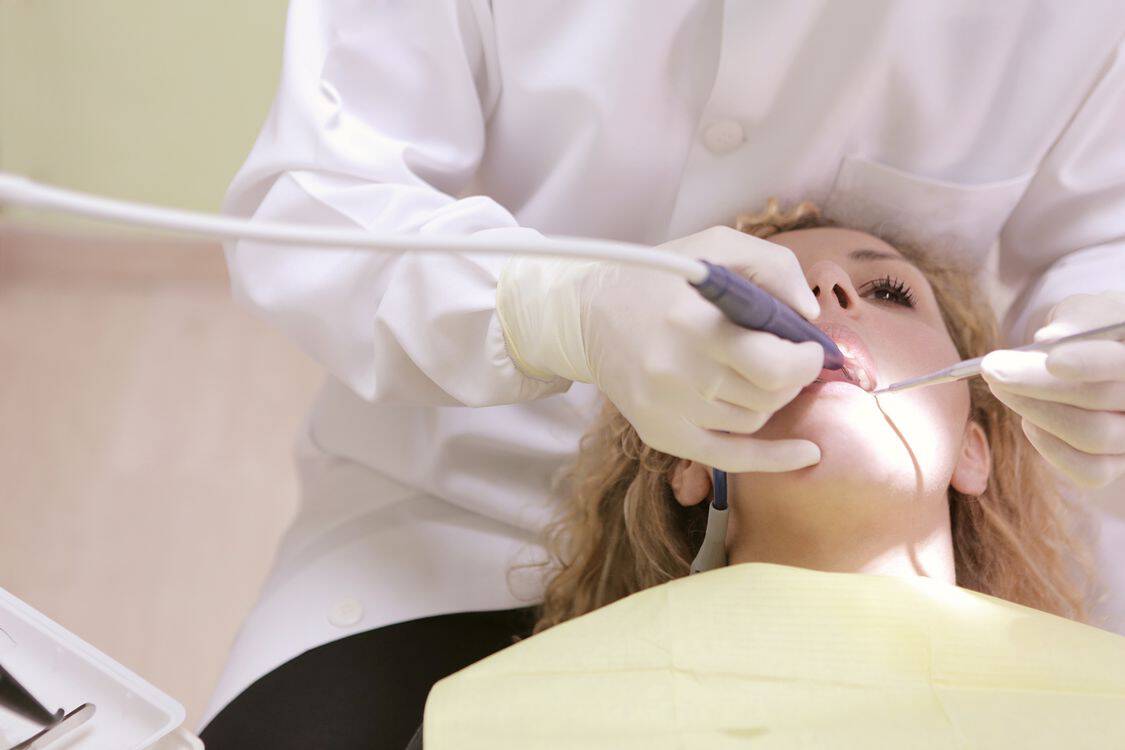
New analysis from the Australian Institute of Health and Welfare puts a number on something dentists have long observed anecdotally: roughly 1 in 10 Australian adults aged 18 and over reported having gum disease in 2021, a figure that climbs to about 15% among those aged 55 to 74.
Age is only part of the story, though. The same data shows adults eligible for public dental care had an inadequate dentition rate — fewer than 21 teeth — of 24%, compared with just 4.7% among those ineligible for public care. That’s roughly a five-fold gap driven by access to care rather than biology.
Tooth loss patterns follow the same divide. In the most recent detailed figures, adults averaged 4.4 missing teeth due to decay and periodontal disease, with those on lower incomes and lower education levels showing roughly double the missing-teeth rate of more educated cohorts.
Local general practices such as The Smile Designer Melbourne have started referencing figures like these in patient conversations, arguing that consistent attendance matters more to long-term outcomes than any single demographic factor.
Check-Up Habits Change the Outcome More Than Anything Else
One of the more striking findings buried in the report: adults who typically only see a dentist when something’s already wrong were about twice as likely to report gum disease (18%) as those who attend for routine check-ups (8.7%).
That’s not a subtle difference. It suggests the biggest single lever on long-term oral health outcomes isn’t income or age bracket on its own, but whether someone has a standing relationship with a practice they visit before problems start.
Patients who treat dental visits as reactive, booking only once pain or visible damage forces the issue, are effectively selecting into the higher-risk group the data describes, regardless of what they can afford.
What Preventive-First Practices Are Doing Differently
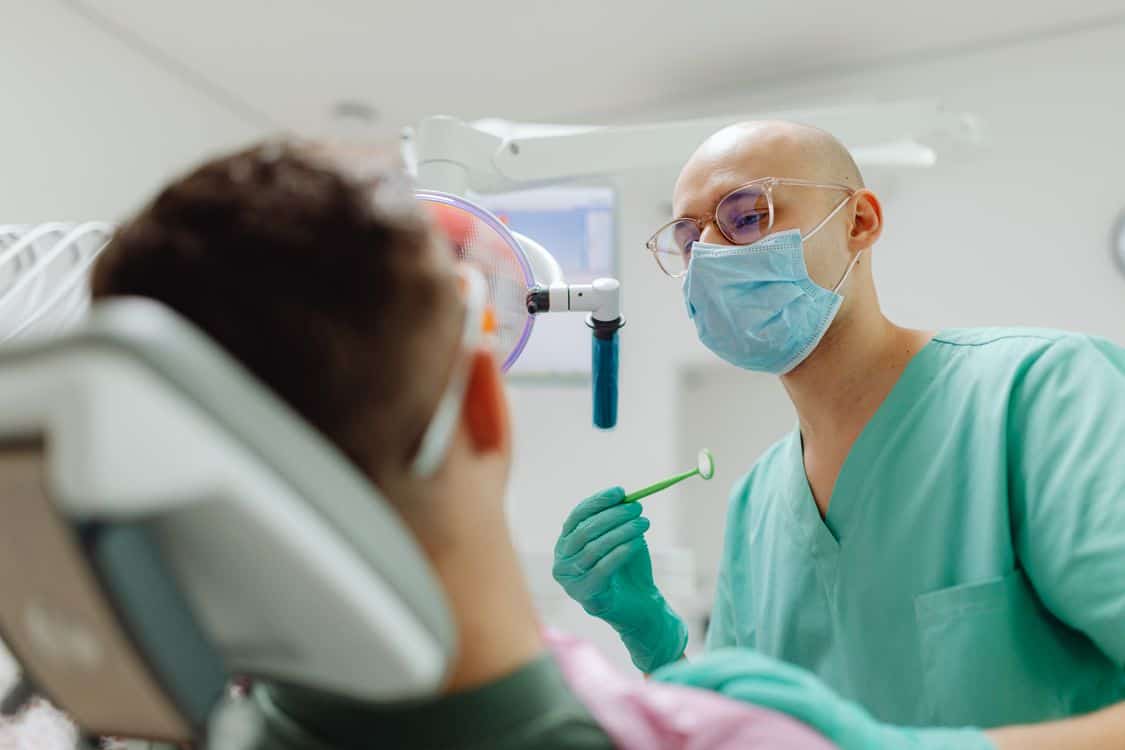
Clinics built around a check-up-first model tend to catch gum disease and early decay before restorative work becomes necessary, which is a meaningfully cheaper and less invasive path for the patient over time.
That model depends on continuity. The same clinician tracking changes in a patient’s mouth over several years notices things a one-off visit won’t, which is part of why regular attenders in the AIHW data fare so much better than reactive ones.
In practice, that means the choice of dentist matters less for the emergency visit than it does for the years of check-ups before an emergency would ever happen.
Turning the Data Into a Practical Decision
None of this is abstract for someone deciding where to book a check-up in Melbourne’s inner north. The AIHW numbers make a reasonably strong case that consistent, preventive attendance at one practice outperforms occasional visits to whichever clinic has next-day availability.
For residents comparing options, a preventive-first general practice in the area has built its offering around exactly that model: recall appointments, hygiene monitoring, and early intervention rather than purely reactive treatment.
Given how clearly the data separates outcomes by attendance pattern rather than age or income alone, that structural difference in how a practice is run may matter more to long-term oral health than any single procedure choice.
The five-fold difference in inadequate dentition rates between those eligible and ineligible for public dental care is one of the starker figures in the entire report. It suggests access, not awareness, is the primary driver of poor outcomes in the lower-income cohort.
That has implications beyond public policy. It means private practices positioned to offer flexible payment structures or staged treatment plans are effectively lowering the same access barrier the AIHW data identifies, even if that’s not how the practice would describe its own pricing model.
It also reframes what “affordable dentistry” should mean in practice. Cheap one-off treatment is less valuable, on this data, than a payment structure that supports someone attending twice a year for a decade.
Source: around twice as many adults who visit only for problems report gum disease compared with regular check-up attenders.